



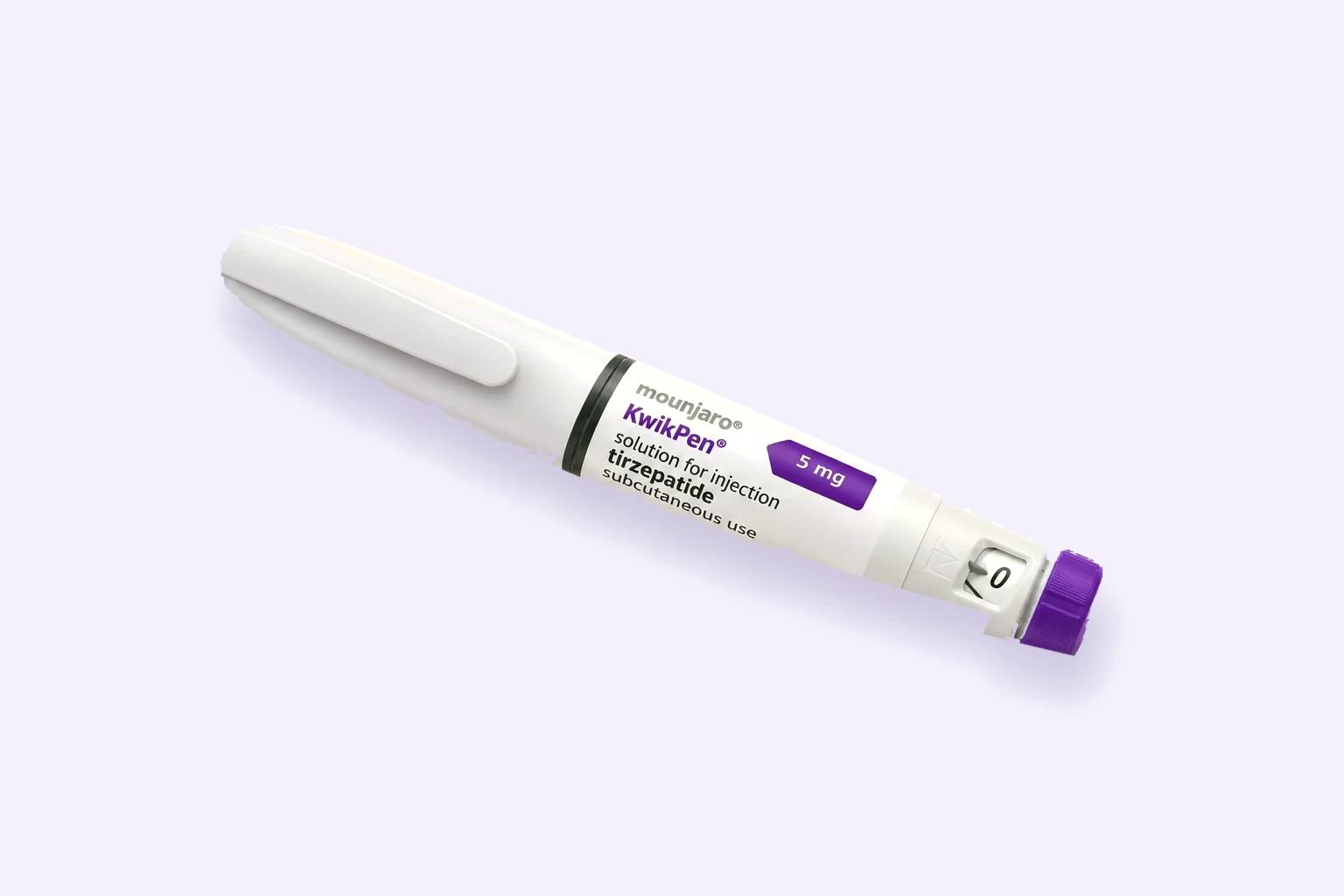
Weekly injection
Mounjarotirzepatide
20.9% average weight loss over 72 weeks.1
From £199 a monthDetails about Mounjaro

What we treat
CQC registered · UK-registered clinicians
Weekly injections or a daily tablet, with a clinician adjusting your dose as you go.
Takes 2 minutes · Only charged if a clinician approves
 All content on this page has been medically reviewed by Naeem Teni, Clinical Lead. GPhC 2215591.
You choose with your clinician. Price depends on medicine and dose.
20.9% average weight loss over 72 weeks.1
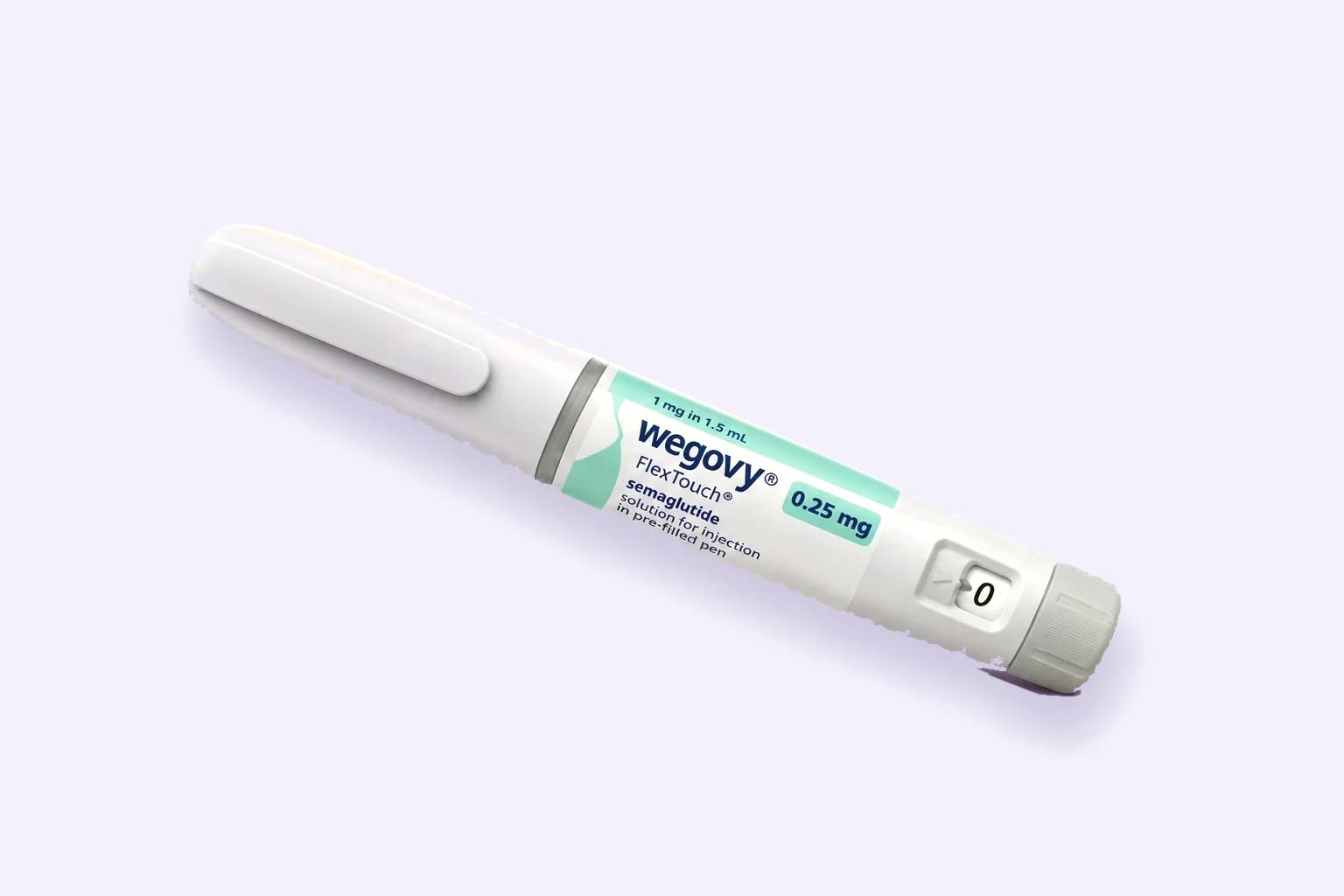
14.9% average weight loss over 68 weeks.2

13.6% average weight loss over 64 weeks.3

12.4% average weight loss over 72 weeks.4
Swipe to see all 4
They copy gut hormones that tell your brain you’ve had enough.
Food leaves your stomach more slowly.
You start low and step up at least a month apart, only if it suits you, so your body can adjust.
Treatment is usually considered from a BMI of 30, or 27 with a weight-related condition such as high blood pressure. The questionnaire works it out properly.
Your result and what it means will appear here.
Opening soonWe ask because health-risk thresholds differ across ethnic groups.
BMI is a guide, not a diagnosis, and it doesn't fit everyone (for example during pregnancy, or for very muscular people). A registered clinician makes the final decision about whether any treatment is appropriate for you.
About two minutes. Your health, your medicines, what you’ve tried.
Usually reviewed by a clinician the same day. We only take payment if they approve.
Free delivery in plain packaging. Refills handled automatically.
Unlimited clinician reviews included. No contract or minimum term.*
*See terms.
Opening soon
Your answers check all of this. If it isn't safe, the clinician says so and you aren't charged.
Most are mild, start early and ease within a few weeks. They can come back briefly after each step up.
Get help straight away if you have severe stomach pain that won’t go away, with or without being sick. Call 111 or contact your GP. In an emergency: Call 999 or go to A&E.
The full list is in the patient leaflet that comes with your medicine.
Switch to us without starting again.
The same team reads your answers, approves your dose and replies to your messages.



Nobody can tell you your number in advance, and be wary of anyone who tries. What the clinical trials found, at the highest dose studied, alongside diet and activity support:
Those are averages across everyone who started, including people who stopped early, which is the honest way to read them and lower than the figures usually quoted. Some people lose considerably more. Some lose very little. Your starting weight, the dose you tolerate and what else changes alongside it all matter.
Most of the weight comes back, and it is better to know that now than in a year.
When semaglutide was withdrawn in the STEP 1 trial extension, participants regained around two-thirds of what they had lost within twelve months, finishing 5.6% below where they started, having been 17.3% down at their lowest.
That is not a failure of willpower. These medicines work while they are in your system; when they leave, appetite returns to roughly where it was. It is why we treat this as long-term management rather than a course you finish, and why the plan puts weight on the parts that outlast the medication.
No. Mounjaro and Wegovy are once-weekly injections. Wegovy Pill and Foundayo are once-daily tablets.
The injections use a pre-loaded pen, into the stomach, thigh or upper arm. Your clinician can talk you through the first one.
If needles worry you, raise it in your assessment. It is a perfectly reasonable thing to ask about, and nobody here will make you feel odd about it.
For weight loss, on average, yes, and unusually for this question it has been tested directly rather than inferred by comparing separate trials. In SURMOUNT-5, a head-to-head study, tirzepatide produced 20.2% average weight loss at 72 weeks against 13.7% for semaglutide.
“On average” is doing real work in that sentence. Averages describe groups, not people, and the better-performing medicine is not automatically the better choice for you: how well you tolerate it, your other conditions and medicines, cost, and whether you prefer a weekly injection or a daily tablet all count. That is a conversation with your clinician, not a league table.
Treatment is usually considered from a BMI of 30, or from 27 if you also have a weight-related condition such as high blood pressure or type 2 diabetes. There is a BMI checker further up this page.
BMI is a starting filter, not the decision. It is a crude measure: it cannot tell muscle from fat, and it reads differently across ethnic groups, so a clinician looks at your whole picture rather than one number.
Mostly your gut, and mostly early. Nausea is the common one, along with constipation, diarrhoea, vomiting and reflux. They tend to appear when you start and each time your dose increases, and to settle as your body adjusts. Smaller portions, stopping when you are full rather than when the plate is, and going easy on rich food help more than people expect.
Less commonly these medicines can cause gallbladder problems or inflammation of the pancreas. Severe, persistent stomach pain, particularly if it goes through to your back with vomiting, needs urgent medical attention rather than a wait-and-see. Your clinician will go through the full list against your history before anything is prescribed.
Every case is read by a registered clinician. They can and do say no when treatment isn’t appropriate. That’s the point of having a clinician rather than a checkout button.
Then you’re not charged for the treatment: that part of the hold on your card is released. The clinician might suggest a safer alternative, ask for more information, or refer you back to your GP. We’d rather lose a sale than push the wrong treatment.
No. Reviews with your clinician are included, as many as you need.

UK national guidance and US national guidance say opposite things, and some UK hospitals follow the US version anyway. The one instruction that…
Read
The headline is that weight cycling is dangerous. The problem is that losing weight without meaning to is a sign of serious illness, and no…
Read
For years the data seemed to say that carrying more weight protected people with heart failure. It did not. It said BMI is a poor measurement in…
ReadYou’re only charged if a clinician approves.