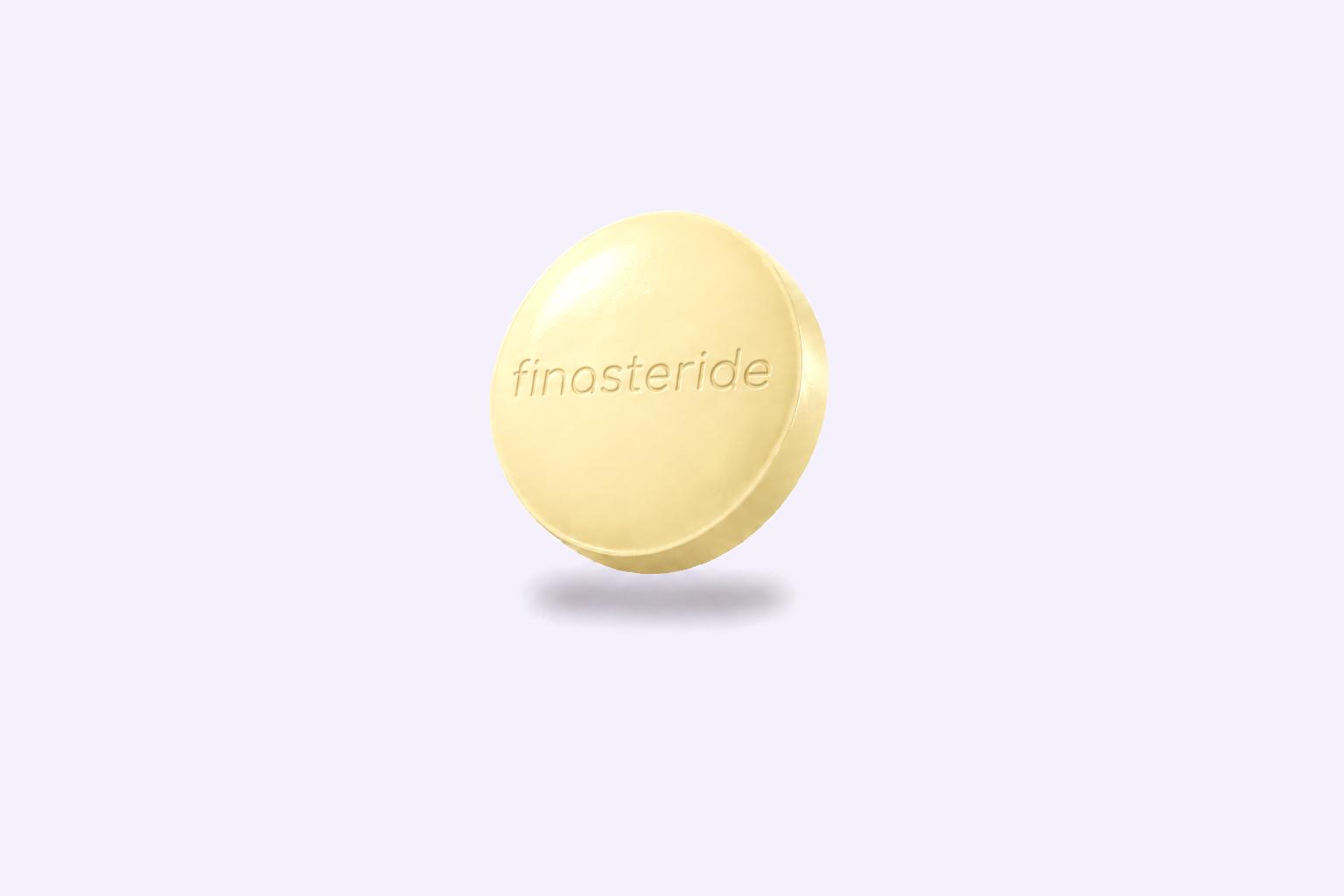
Finasteride1 mg tablet
For male pattern hair loss.
- Any time of day
- Results show from 3 to 6 months
- Sent in a plain parcel
Daily finasteride for male pattern hair loss, prescribed and checked by our clinicians.
Takes 2 minutes · Only charged if a clinician approves
All content on this page has been medically reviewed by Naeem Teni, Clinical Lead. GPhC 2215591.
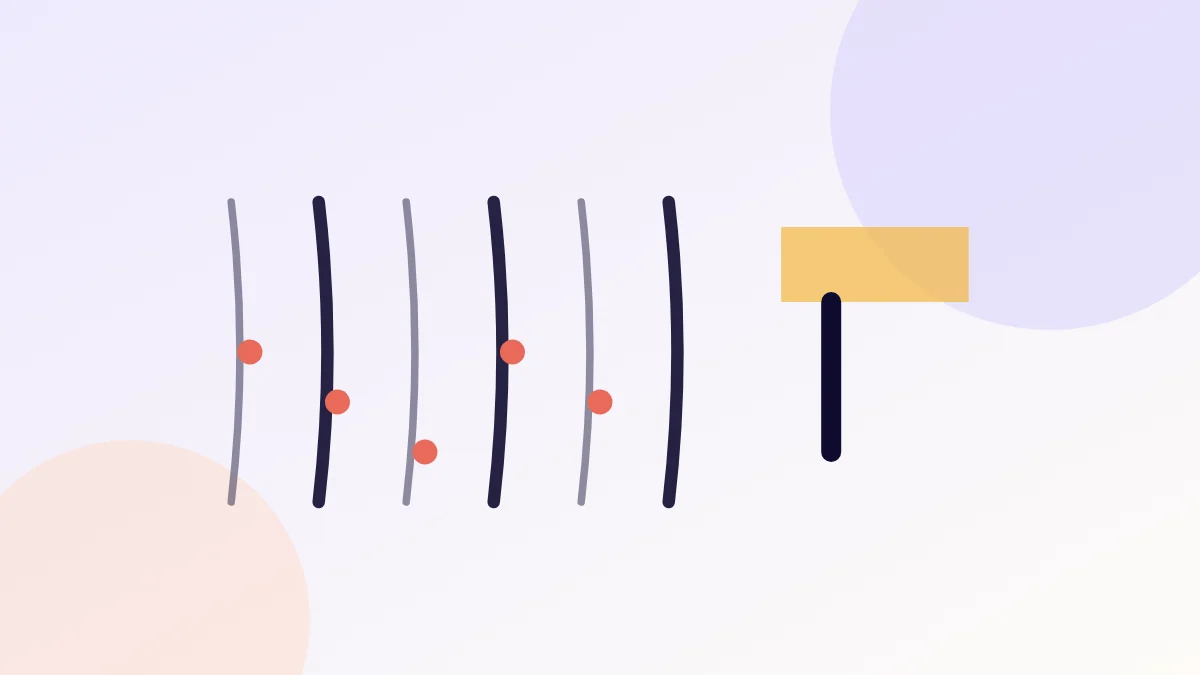
It lowers the hormone that shrinks hair follicles in male pattern hair loss.

For male pattern hair loss.
Illustration only. Your tablets may look different.
If finasteride isn’t right for you, your clinician will talk you through other prescription options after your questions.
In pattern hair loss, DHT slowly shrinks hair follicles.
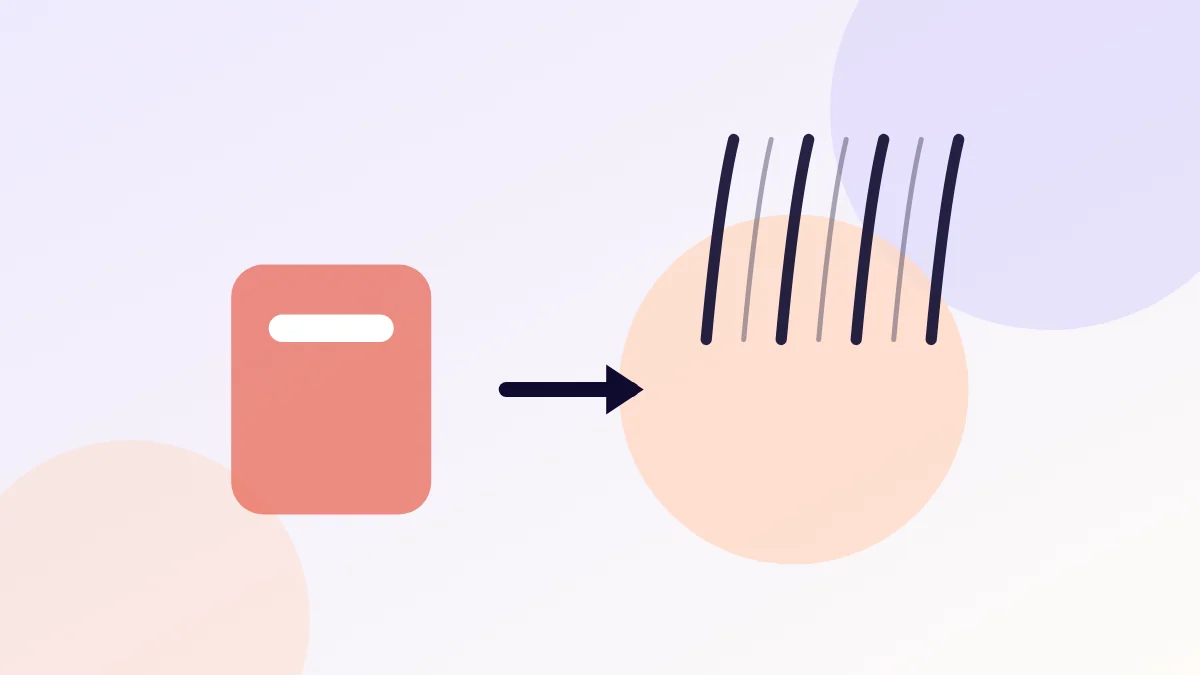
Which gives follicles a chance to recover.
It takes months to show and keeps working while you take it.
It’s slow at first. Finasteride works while you take it; if you stop, the hair you kept or regrew is usually lost again within 9 to 12 months.1
It’s working, but there’s usually nothing to see yet.
Shedding settles and hair loss visibly slows.1
You and your clinician look at progress. Any regrowth tends to show by now.
About two minutes. Your health, your medicines, what you’ve tried.
Usually reviewed by a clinician the same day. We only take payment if they approve.
Free delivery in plain packaging. Refills handled automatically.
Unlimited clinician reviews included. No contract or minimum term.*
*See terms.
Opening soon
Your answers check all of this. If it isn't safe, the clinician says so and you aren't charged.
Most men get none. If you do, they usually ease, or stop when you stop the tablets.
Get help straight away if you notice low mood or thoughts of harming yourself, or a lump or discharge in your breast. Call 111 or contact your GP. In an emergency: Call 999 or go to A&E.
The full list is in the patient leaflet that comes with your medicine.
Checked by clinicians, not a form.


Both, but not equally. The evidence for finasteride is strongest at the crown and mid-scalp, where it was studied first and where results are most consistent. It works at the frontal hairline too, but more modestly, and a hairline that has receded to bare scalp is the least likely area to respond.
The pattern behind all of this: treatment is far better at holding ground than at retaking it. Which is really an argument for starting sooner rather than waiting to see how bad it gets.
Longer than you would like. Hair grows slowly, and the first change is usually that shedding slows rather than that new hair appears. Expect three to six months before anything is visible in the mirror, and judge it properly at twelve.
With minoxidil specifically, some people shed more in the first few weeks. It is unnerving and it is normal: old hair being pushed out by new growth underneath.
Take a photo now, in the same light, and another every three months. Memory is a terrible instrument for this.
Honestly, keeping what you’ve got is the realistic goal, and some regrowth is a bonus rather than a promise. It depends on how long it’s been going and how much is still there, which is exactly what your clinician will tell you before you start.
Hair loss picks up where it left off, within 9 to 12 months, and you’d lose the ground you held. That’s not a catch, it’s how the treatment works, and it’s worth knowing before you start rather than after.
The ones people want to ask about are sexual, and the product information puts numbers on them. Over the first twelve months of the clinical trials:
So the great majority of men get none of this, and placebo accounts for a fair share of what is reported. The product information also records that these effects resolved in men who stopped treatment and in many who continued it.
It separately records reports, since the medicine went on the market, of sexual dysfunction persisting after stopping. That is in the official documentation, so you should hear it from us rather than find it elsewhere.
If it concerns you, say so in your assessment.

Every case is read by a registered clinician, along with your photos. They can and do say no when treatment isn’t appropriate. That’s the point of having a clinician rather than a checkout button.
Then you’re not charged for the treatment: that part of the hold on your card is released. The clinician might suggest a different option, ask for more information, or refer you back to your GP. We’d rather lose a sale than push the wrong treatment.
No. Reviews with your clinician are included, as many as you need.

Hair found on the floor with a small white bulb on the end came out of the follicle. Hair without one snapped. Almost everything useful follows…
Read
Steroids do not give you a hair loss gene you did not have. They compress a process that might have taken fifteen years into two or three.
Read
Twelve months of treatment produces a change smaller than the difference between two bathroom mirror photos. That is the whole problem with…
ReadYou’re only charged if a clinician approves.