



Weight loss
Evidence-based articles on weight, written by the Manova editorial team and medically reviewed by our clinical lead. Every article lists the research it is based on.

Weight loss medicines before surgery: UK guidance says continue
UK national guidance and US national guidance say opposite things, and some UK hospitals follow the US version anyway. The one instruction that holds everywhere is to tell the team.
Read
Missed doses: the catch-up windows, product by product
Every product has a different rule, the oral tablet has no rule at all in the sense people expect, and the one thing none of them permit is taking two.
Read
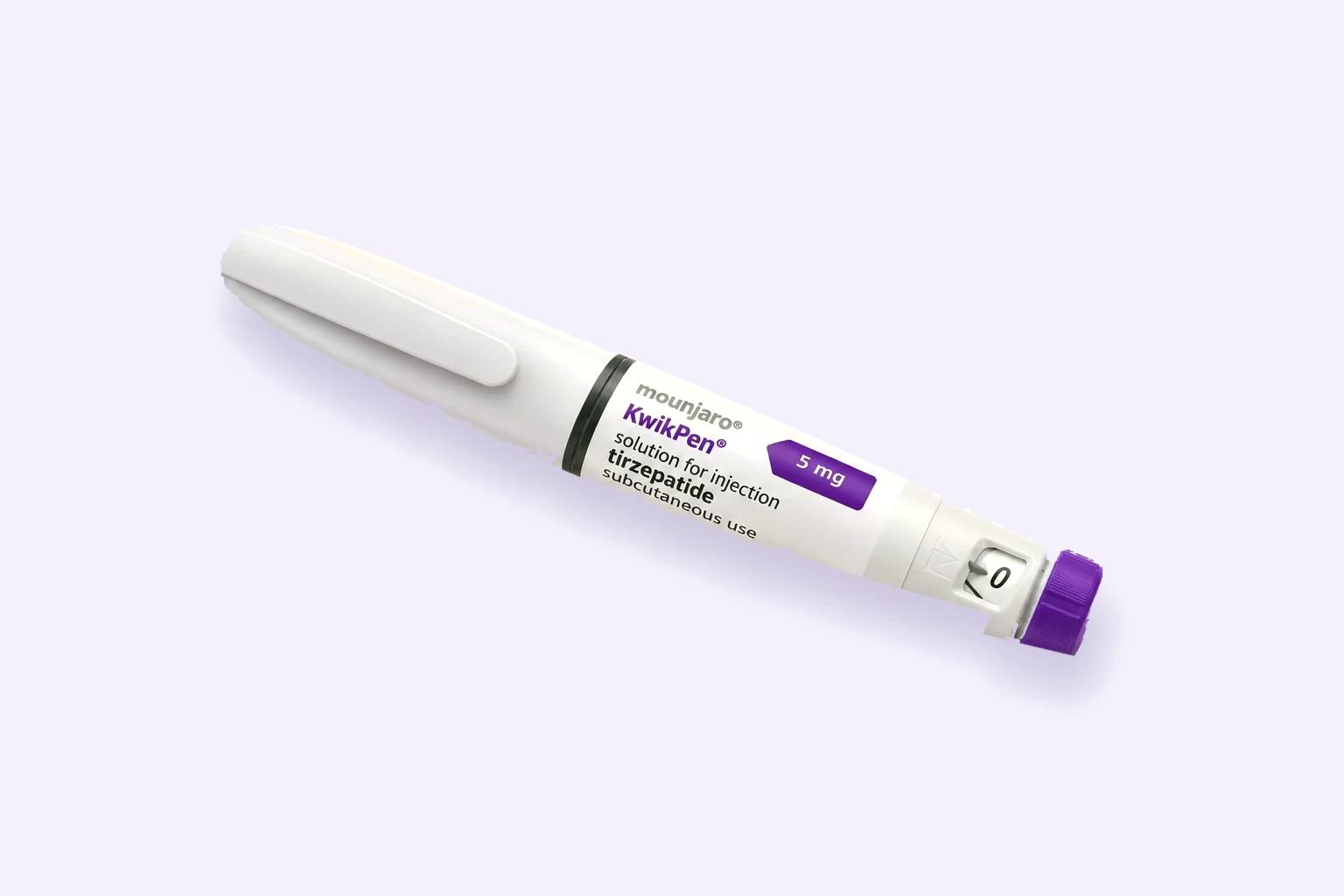
Injection technique and sites: what the UK recommendations actually say
Most of what goes wrong is not the needle going in. It is coming out too early, going back into the same square inch every week, or a used pen with nowhere to go.
Read
Metabolic adaptation: three different things people call one thing
Everyone quotes the Biggest Loser study. Almost nobody quotes the part where metabolic slowing did not predict who regained, and the people who kept most weight off had slowed down the most.
Read
Weight cycling: a risk marker that keeps being read as a cause
The headline is that weight cycling is dangerous. The problem is that losing weight without meaning to is a sign of serious illness, and no observational study has managed to separate the two.
Read
Set point theory: a biased range, not a thermostat
There is a version of this idea that is true and useful, and a version that tells people their weight is fixed for life. The second one is not supported by the evidence, and it puts people off trying.
Read
Appetite hormones: what they do, and what the famous study really showed
One small Australian study is cited constantly as proof that your hormones never forgive you for losing weight. It had fifty people and no control group. What it did show is still interesting.
Read
Insulin resistance: what it is, and why the NHS will not measure it
Private testing companies will sell you an insulin resistance score tomorrow. The people who invented the score published a paper explaining why you should be careful with it.
Read
Metabolic syndrome: a label the UK does not actually use
It has a name, a set of numbers and a Wikipedia page. What it does not have is a NICE guideline, an agreed cause, or a treatment that differs from treating each part separately.
Read
Weight loss and heart failure: the obesity paradox, and what changed
For years the data seemed to say that carrying more weight protected people with heart failure. It did not. It said BMI is a poor measurement in people retaining fluid.
Read