Prescribed by UK clinicians · CQC registered

Finasteride tablets for hair loss

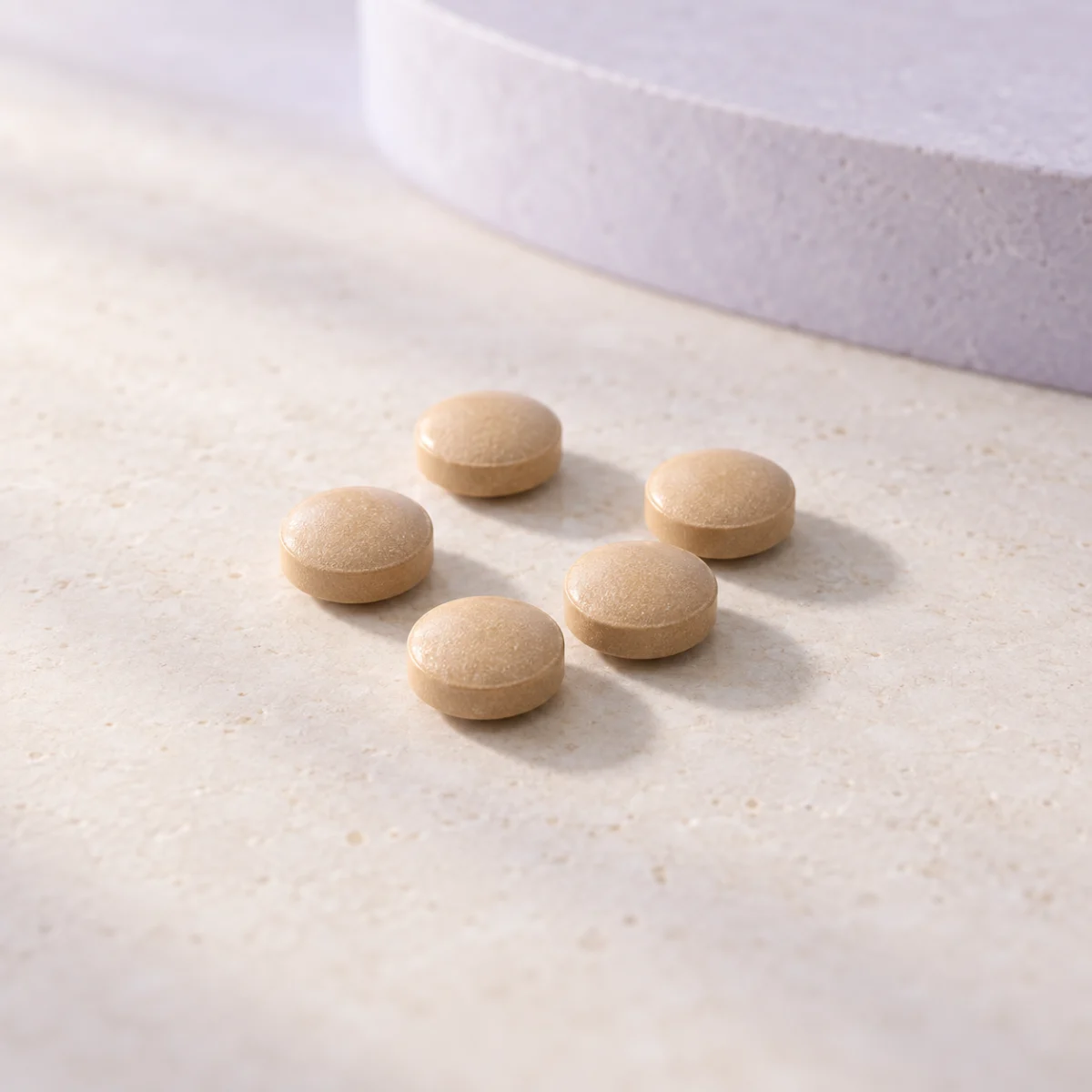
Finasteride 1mg is a prescription-only daily tablet for male pattern hair loss. It lowers DHT, the hormone that shrinks hair follicles, so it works on the cause rather than the surface.1

From £19 a month

Check your eligibility →
  • CQC registered
  • UK-registered clinicians
  • Plain, discreet delivery
Finasteride tablets

What is Finasteride?

Finasteride 1mg is a prescription-only daily tablet for male pattern hair loss. It lowers DHT, the hormone that shrinks hair follicles, so it works on the cause rather than the surface.1

A clinician reviews your assessment before anything is prescribed, and is there if you have questions along the way.

How does Finasteride work?

  • DHT shrinks follicles. In male pattern hair loss, follicles are sensitive to DHT, a hormone made from testosterone. Over time it shrinks them until they stop producing visible hair.
  • Finasteride lowers DHT. It blocks the enzyme that turns testosterone into DHT, lowering levels in the scalp.1
  • Best on the crown and top. Trials showed it works on thinning at the crown and mid-scalp. It hasn't been shown to help a receding hairline at the temples.1
  • It works while you take it. If you stop, the hair you kept or regrew is usually lost again within 9–12 months.1

Man touching his hair at home

What did the trials show?

90%

of men kept or regrew hair over five years1

90% kept or regrew hair. Most men on placebo continued to lose it.1

Men at five years on finasteride

Regrew hair48%
No further loss42%

Five-year clinical trial data. Results vary from person to person.1

How much does Finasteride cost?

One tablet a day. Longer supplies bring the monthly cost down.

1 month

£19.00 / month

28 tablets£19.00
2 months

£17.50 / month

56 tablets£35.00
3 months

£16.00 / month

84 tablets£48.00
6 months

£14.67 / month

168 tablets£88.00

What can I expect month by month?

Months 0–3

Below the surface

It's working, but there's usually nothing to see yet.

Months 3–6

Loss slows

Shedding settles and hair loss visibly slows.1

From a year on

Review

You and your clinician look at progress. Any regrowth tends to show by now.

Man taking a tablet with a glass of water

How do I use Finasteride?

  1. One a day. Any time, with or without food.1
  2. Stick with it. Give it at least 3–6 months before judging it.1
  3. Don't crush or split. Keep tablets whole, and away from anyone who is or may be pregnant.1
  4. Take photos. Same light, same angle, every few months. It's the easiest way to see change.

Pregnant partner? Women who are or may be pregnant shouldn't handle crushed or broken tablets.1

How does Finasteride compare with other options?

Trial figures come from different studies, so they aren't a direct ranking. Finasteride tackles the hormone, minoxidil works on the follicle. Using both is common, and your clinician can prescribe them together.

FinasterideMinoxidil
In trials90% kept or regrew hair over 5 years15% worked better and faster than 2% in a 48-week trial3
Key pointsLowers DHT, the hormone that shrinks follicles
One 1mg tablet a day
Works on the follicle and lengthens its growth phase
Sprayed on the scalp twice a day
PriceFrom £19 a monthSee pricing
This pageView Minoxidil →

Is Finasteride right for me?

It isn't suitable for everyone. Your assessment covers all of this, and a clinician checks your answers before anything is prescribed.

Usually suitable if

  • You're an adult, 18 or over, living in the UK.
  • You have male pattern hair loss, most often thinning at the crown or top of the head.
  • You still have hair to work with, since it's better at keeping hair than regrowing what's long gone.
  • A clinician judges it safe alongside your health history and anything else you take.

Not suitable if

  • You're a woman. Finasteride isn't licensed for women, and it's dangerous in pregnancy.
  • You're allergic to finasteride or any of its ingredients.
  • You have a history of, or risk factors for, certain conditions a clinician will ask about.
  • A clinician decides the possible side effects outweigh the benefit for you.

Not sure?

Let a clinician check for you

You don't need to work it out yourself. The online assessment asks the right questions, and a UK clinician reviews your answers before anything is prescribed.

Start my assessment →

What are the side effects of Finasteride?

Most men have no side effects. When they happen, they're usually mild, and your clinician is there to talk them through.1

More common

Usually mild and short-lived

Lower sex driveDifficulty getting an erectionLess semenBreast tendernessRash

Rare

Get help straight away if

  • Low mood, depression or thoughts of self-harm. Stop taking it and speak to a doctor straight away.2
  • A lump, pain or discharge in your breast area.
  • Swelling of your face, lips or throat, or trouble breathing.
  • Sexual side effects that don't go away, even after stopping.2

Having a PSA blood test? Tell the doctor you take finasteride. It roughly halves PSA levels, which affects how results are read.1

Finasteride FAQs

Both. We’re a CQC-registered clinic that happens to live online. Every prescription is signed off by a registered clinician, never an algorithm.
No. Plain brown packaging, no Manova branding, no clue what’s inside. Sent to a home or pickup address, your call.
Then they say no, and you don’t get charged. They might suggest a safer alternative, more tests, or refer you back to your GP. We’d rather lose a customer than push the wrong treatment.
No. There’s no contract and no minimum term.
It isn’t, really. The same medicines, prescribed by registered clinicians to the same standards. We’re just faster to get hold of, and a lot less awkward to talk to about the things on this page.

Read up on Finasteride

All Finasteride guides →
References (3)
  1. Propecia (finasteride 1mg) Summary of Product Characteristics. Electronic Medicines Compendium (EMC).
  2. MHRA Drug Safety Update: Finasteride — reminder of the risk of psychiatric and sexual side effects. Medicines and Healthcare products Regulatory Agency, 2024.
  3. Olsen EA, et al. A randomized clinical trial of 5% topical minoxidil versus 2% topical minoxidil and placebo in the treatment of androgenetic alopecia in men. J Am Acad Dermatol. 2002;47(3):377–385.