


Hair loss

Topical finasteride: what is actually available in the UK, and what gets absorbed
Marketed as the version without systemic effects. The phase III data show serum DHT falling by about a third, which is not nothing, and the pharmacovigilance data agree.
Read
Dutasteride for hair loss: the licensing position, the evidence and the half-life problem
More potent, better hair counts in short trials, and a half-life measured in weeks rather than hours. That last fact is the one that ought to shape the decision.
Read
Low-dose oral minoxidil: what the evidence shows and why the boxed warning misleads
The scary warning on the box belongs to a dose ten to forty times higher. Getting that distinction right is most of what an honest conversation about this medicine involves.
Read
Topical minoxidil side effects: irritation, shedding and what the solution contains
The commonest problem with minoxidil is usually a reaction to what it is dissolved in, not to the drug. That single fact solves a lot of abandoned treatments.
Read
Finasteride side effects: the trial numbers, the UK warnings and what changed in 2026
Two pictures of the same medicine: a percentage point or so of excess risk in the trials, and a body of persistent-symptom reports serious enough that three regulators have acted. Both are real.
Read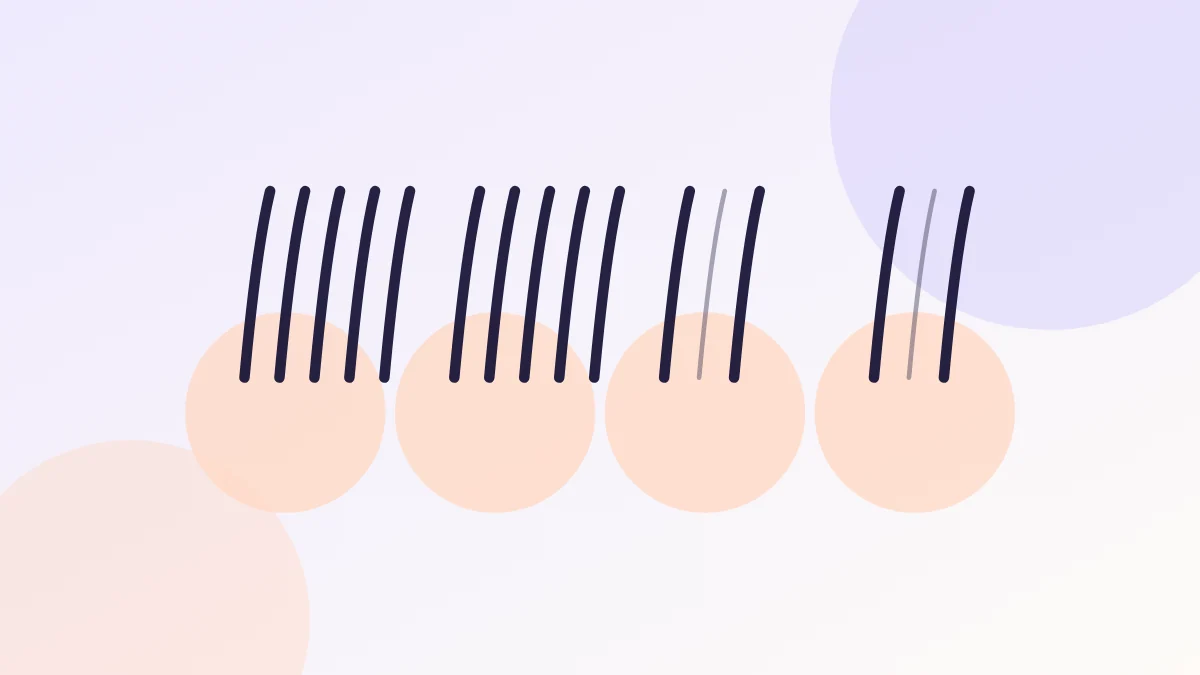
The Norwood scale: what the stages mean and what they don’t tell you
It is a description of a shape, not a diagnosis and not a forecast. Most of the anxiety attached to it comes from expecting it to do things it was never built to do.
Read
Minoxidil for hair loss: how to use it properly and what results look like
It works while you use it and stops working when you don’t. Most disappointment with minoxidil is a dosing problem, not a drug problem.
Read
Male pattern baldness: why it happens and what changes the course of it
It isn’t hair falling out so much as hair getting smaller each cycle. That distinction is why timing matters so much.
Read
Hair transplants in the UK: how they work, what they cost and what to check first
Surgery moves hair; it doesn’t stop hair loss. Understanding that one point prevents most of the disappointment.
Read
Hair loss myths: what doesn’t cause it, and what the evidence actually shows
Some of these are harmless. Others cost people years and a lot of money before they get to a treatment that works.
Read